
Saudi Arabia's Electric Pivot Is Moving Faster Than Expected
10 October 2025•
%2Fuploads%2Fopinions%2FOpinions%2520Covers_erika.jpg&w=3840&q=75)
In 2025, the global electric vehicle (EV) revolution feels less like a trend and more like a tidal wave—unstoppable, accelerating, and reshaping the global auto industry at a pace few anticipated. While headlines continue to spotlight California, Berlin, and Shanghai, a quieter but equally transformative story is unfolding in the heart of the Arabian Peninsula.
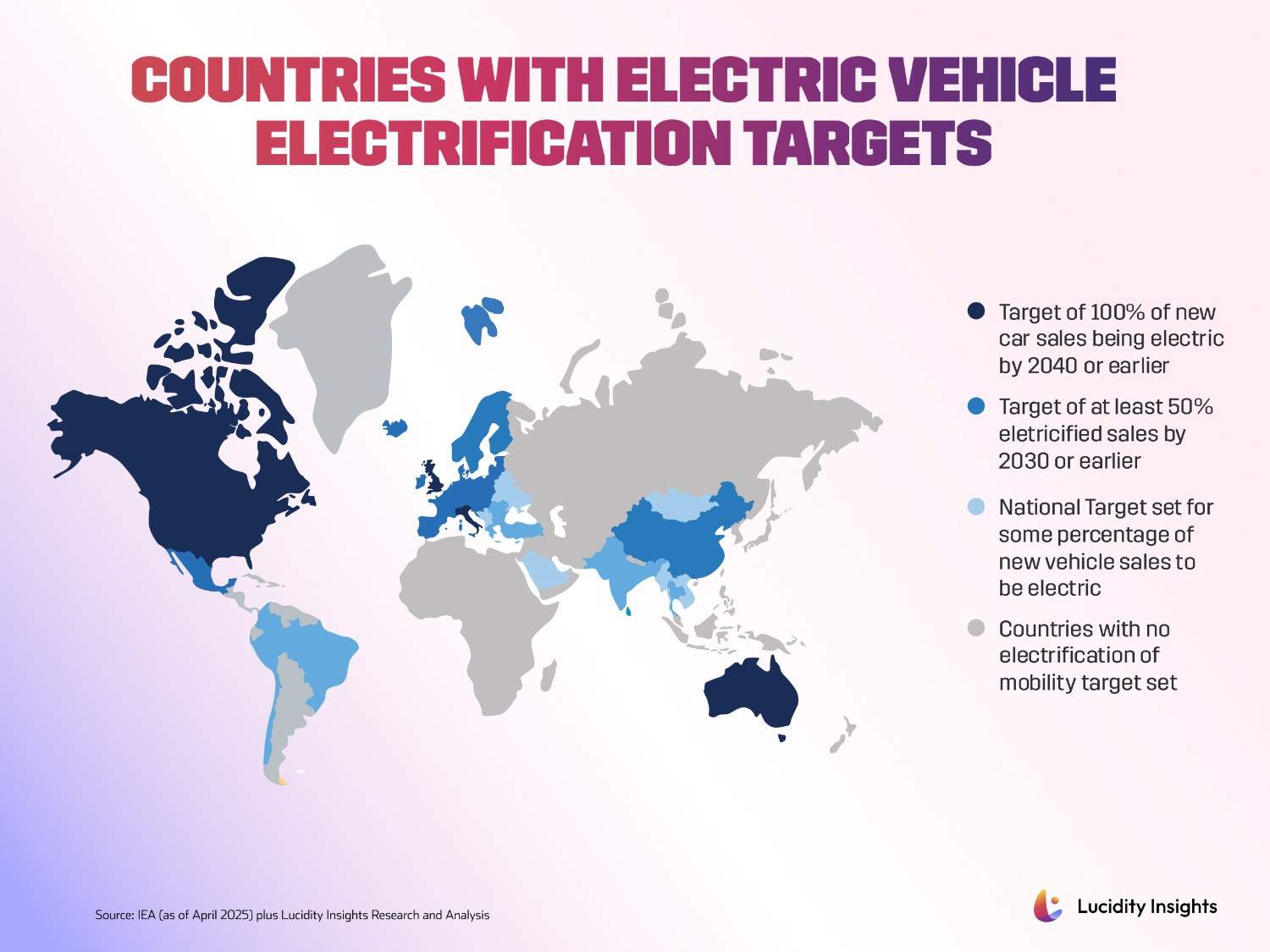
Saudi Arabia—long synonymous with oil—is now making bold strides toward an electrified future. Since launching its Vision 2030 blueprint in 2016, the Kingdom has been laying the foundations of an entirely new mobility ecosystem. But this isn’t just about importing Teslas. As this report reveals, Saudi Arabia is investing more than $50 billion into building an end-to-end EV value chain: from homegrown brands like Ceer, to the local assembly of Lucid Motors, and the entrance of global players like BYD, Hyundai, and Tesla; the Kingdom is building the infrastructure, manufacturing capacity, and startup ecosystem to become an EV powerhouse. It’s an industrial pivot of historic proportions—and it’s happening fast.
The timing is impeccable. Globally, EVs now account for nearly 20% of all new car sales, up from just 4% in 2019. In China, the global leader, EVs already make up over 38% of new car sales. In Saudi Arabia? Just over 1%. But don’t let that figure fool you—because this is the start of an exponential growth curve. By 2030, the Kingdom aims to have 1 million EVs on the road, supported by domestic production capacity of 450,000 units per year.

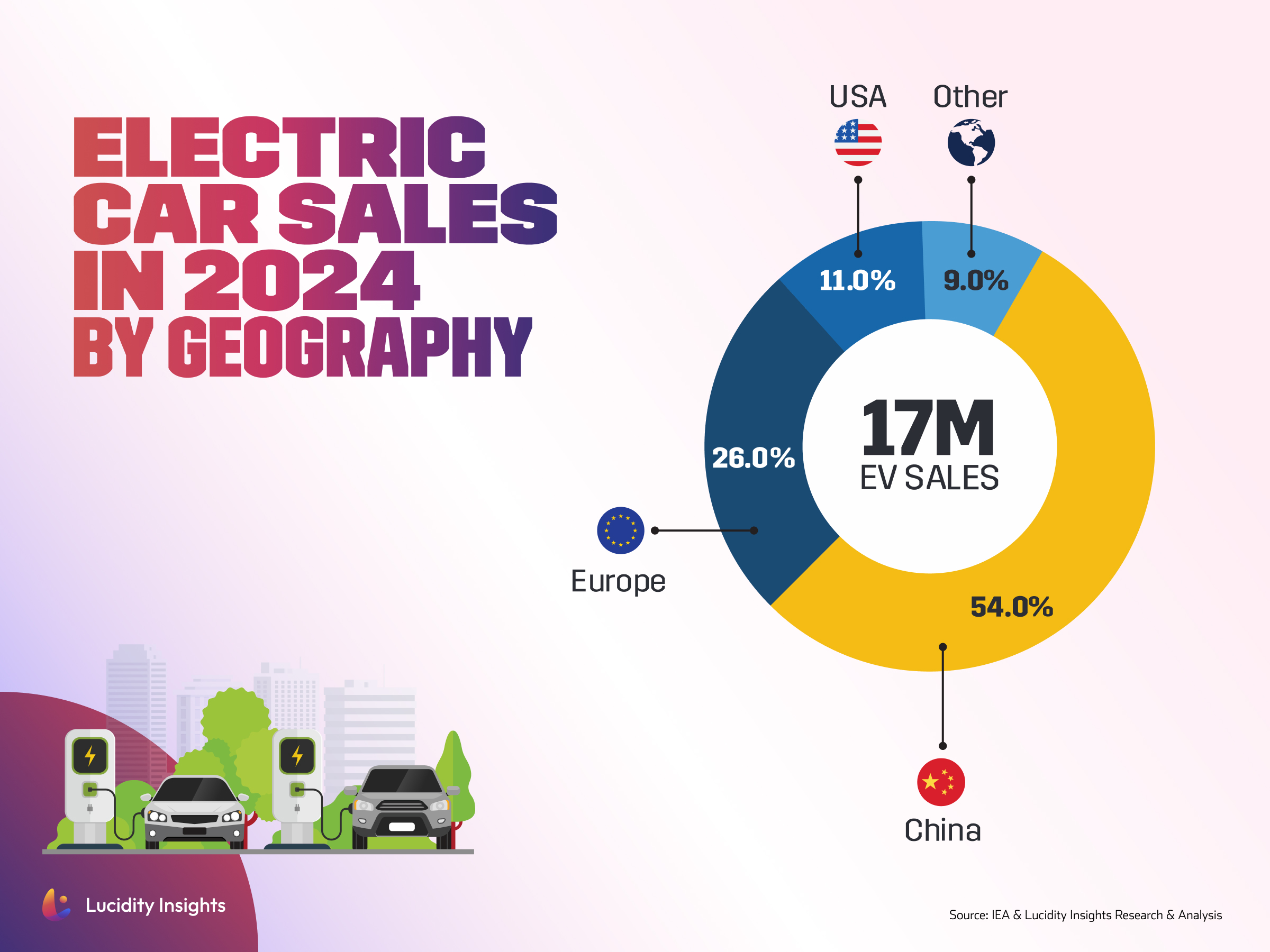
Much of this momentum mirrors China’s own electrification playbook. Inspired by China’s Made in China 2025 strategy, Saudi Arabia is deploying capital, policy, and partnerships with laser precision. By end-2024, China had over 20 million electric passenger cars on its roads and a total of more than 38 million electric vehicles (accounting for electric buses and commercial vehicles); China also dominates more than 60% of global EV production. Saudi Arabia is looking at that blueprint, and is working to compress the same levels of success into a fraction of the time—leveraging technology transfers, joint ventures, and domestic innovation to leapfrog into global relevance on the Electric Mobility stage.
At the center of this transformation is EVIQ, the national EV infrastructure champion tasked with deploying 5,000 fast-chargers for EVs by 2030. This teal-colored network is more than infrastructure—it’s a symbol of the Kingdom’s electric ambitions. This report explores it all—from manufacturing investments and startup breakthroughs to the cultural mindset shifts required to make EVs mainstream. Because what’s unfolding in Saudi Arabia is not just an economic transformation. It’s a reimagination of national identity in motion. The future isn’t fueled. It’s charged. And Saudi Arabia is plugging in.

%2Fuploads%2Fev-2025%2Fcover27.jpg&w=3840&q=75)