
The Kingdom’s First Home-Grown EV Player: Ceer Motors
16 October 2025•
%2Fuploads%2Fev-2025%2Fspotlights%2Fceer-motors%2Fceer-cover.jpg&w=3840&q=75)
%2Fuploads%2Fev-2025%2Fspotlights%2Fceer-motors%2Fceer-logo.png&w=3840&q=75)
Ceer Motors is Saudi Arabia’s inaugural homegrown electric vehicle brand, launched in December 2022 as a joint venture between the Public Investment Fund (PIF) and Foxconn, with component technology licensed from BMW. The name “Ceer,” meaning “drive forward” in Arabic, encapsulates its ambition to ignite a sustainable automotive ecosystem in the Kingdom and the wider MENA region. Ceer engineers, manufactures, sells, and services EVs from a fully integrated complex at King Abdullah Economic City (KAEC), with plans to begin consumer vehicle deliveries by late 2026.
Manufacturing & Industrial Impact
Ceer’s KAEC facility spans over one million square meters and is equipped with press, body, paint, general assembly, and battery assembly operations. At a PIF forum in early 2025, Ceer signed 11 memorandums worth SR 5.5 billion (~USD 1.4 billion)—over 80% with Saudi companies—to establish a local parts ecosystem that meets its target of 45% localization by 2026. Ceer aims to contribute USD 150 million in FDI and create up to 30,000 direct and indirect jobs, with a projected GDP contribution of USD 8 billion by 2034.
Strategic Partnerships & Technology Ambitions
Tech collaborations are central to Ceer’s innovation roadmap. In mid-2024, Ceer inked a USD 2.2 billion contract with Hyundai Transys for electric drive systems, enhancing efficiency and performance across its lineup. Later that year, Ceer partnered with Croatia-based Rimac Technology to integrate high-performance Electric Drive Systems into flagship models—the first such collaboration in the GCC for large-volume electrified vehicles.
Vision 2030 & Economic Transformation
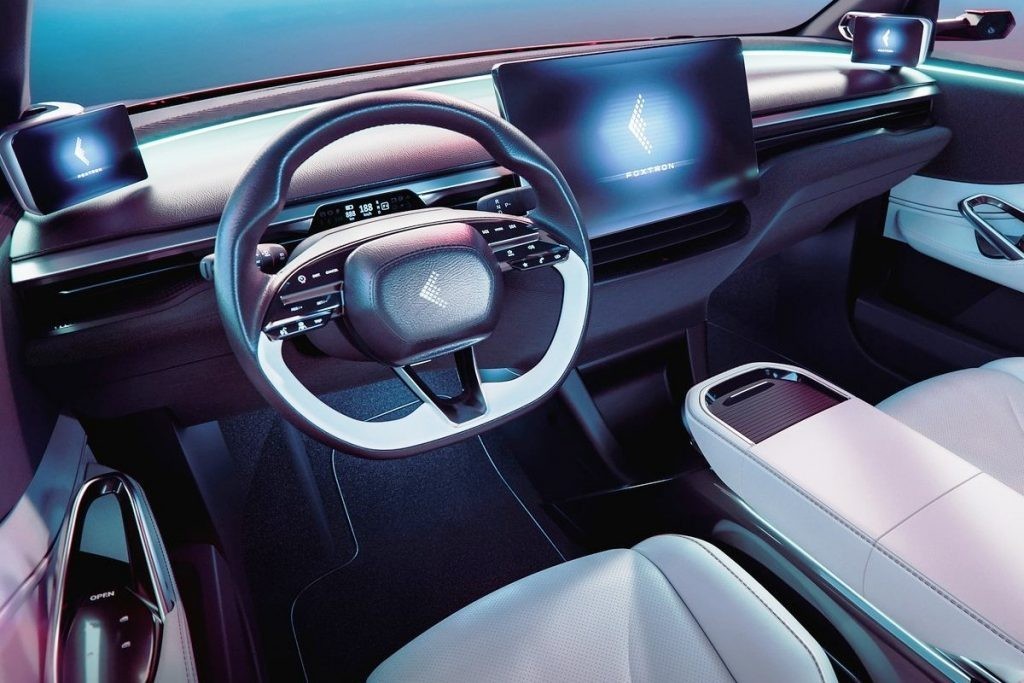
Ceer embodies Saudi Vision 2030’s goal of diversifying away from oil-based revenue. With PIF’s strategic support, the company is catalyzing a new industrial pillar in mobility. It promises rapid workforce expansion, including Saudization through partnerships with the Human Resources Development Fund and local universities. Ceer’s leadership emphasizes that the firm is not “just a car company”—it’s a movement to spark private-sector investors, attract tier-one supply chains, and anchor future export ambitions in regional automotive sovereignty.
Market Challenges & Launch Outlook
Some might say that Ceer launched too early, as it is still pre-commercial. As such, Ceer must navigate high expectations in quality, cost and consumer trust. The first vehicles are expected in late 2026, and the plant’s full capacity is projected to reach 240,000 units per year once fully ramped as 2030 nears. Until then, Ceer remains pre-coated with the shadow of larger global competitors entering the Saudi market, like Lucid, BYD, and Tesla. Its success will hinge on the execution of its production ramp-up, supply-chain integration, and consumer appeal.
Ceer Motors has positioned itself not simply as a vehicle brand, but as the nucleus of a Saudi automotive renaissance: it’s instigating industrial innovation, attracting global technology partnerships, creating thousands of jobs, and contributing billions to nonoil GDP. When Ceer’s first cars emerge in 2026, they will represent not just EVs—they will symbolize a strategic leap toward electrified, Saudi-led mobility.
%2Fuploads%2Fev-2025%2Fcover27.jpg&w=3840&q=75)