
The Rise of EV and Mobility Startups in Saudi Arabia
20 October 2025•
%2Fuploads%2Fev-2025%2Farticles%2Frise-of-ev-mobility%2Frise-of-ev-cover.jpg&w=3840&q=75)
Saudi Arabia’s EV ecosystem is evolving rapidly—and it’s not just global brands making waves. Home‑grown startups are emerging across the electric mobility value chain: charging solutions, maintenance services, consumer apps, and infrastructure. Supported by Vision 2030 targets and rising local EV adoption, this segment is maturing into a vibrant sector with increasing investment and innovation.
Saudi Arabia’s EV Opportunity
Electric vehicle sales remain at an early stage in the Kingdom—just over 1 percent of total auto volumes as of early‑2025—but interest is surging. A recent consumer survey found that 97% of Saudi nationals would consider purchasing an EV within the next few years, and half of all Saudi nationals said they were actively considering buying an EV in the coming year or two. With Riyadh targeting 30% of all new vehicle sales being electric by 2030, and national infrastructure investments underway, the Kingdom is geared for hyper growth. If these hyper-growth ambitions are hit, there may be 1 million EVs on Saudi Roads by the early 2030s.
Mobility Startups in the Kingdom
As Saudi Arabia races to meet its electrification goals, a new wave of homegrown startups is emerging to support the Kingdom’s EV transformation from the ground up. These companies are building the connective tissue of Saudi’s electric future—deploying charging infrastructure, servicing next-gen vehicles, and enhancing the consumer EV experience through localized innovation. From Riyadh to Jeddah, Saudi entrepreneurs are seizing opportunities across the mobility value chain, often faster and more nimbly than global incumbents. One could argue that EVIQ is itself a startup; though it is backed by Sovereign Wealth Fund financing, it is only 3 years old, and has under 50 staff. What follows are some of the most promising EV and mobility startups fueling the Kingdom’s clean transport ambitions.
1. Current Power
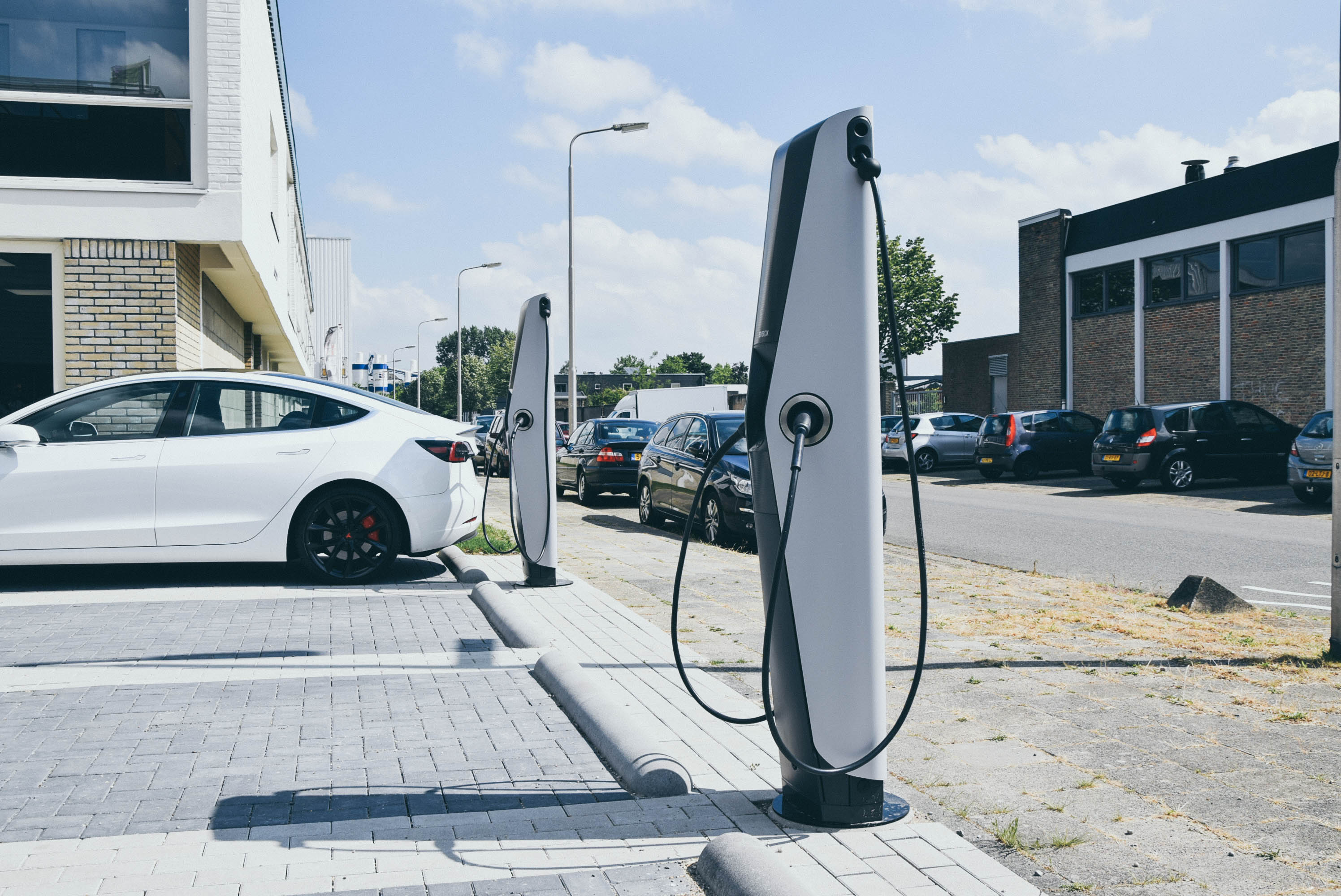
Founded in 2021 by Sultan Fakhouri and Abdulaziz Fakhoury, Current Power has rapidly established itself as one of Saudi’s leading EV charging startups. Current Power is working to become one of the best one-stop shops in the Kingdom, providing full EV charging solutions for individuals and businesses, while meaningfully contributing to Saudi Arabia’s Net-Zero emissions ambitions, by offering clean energy solutions.
The company has installed over 400 AC charging units across more than 30 cities in the Kingdom and Gulf region, completing more than 40 strategic infrastructure projects within just four years. As co-founder and CEO Sultan Fakhouri states: “We’re building the infrastructure that makes electric mobility possible… powering the electric vehicle revolution”. With partnerships including EVBox, Schneider Electric, and Siemens, Current Power is both scaling and localizing expertise in EV charging hardware and services.
2. EVs
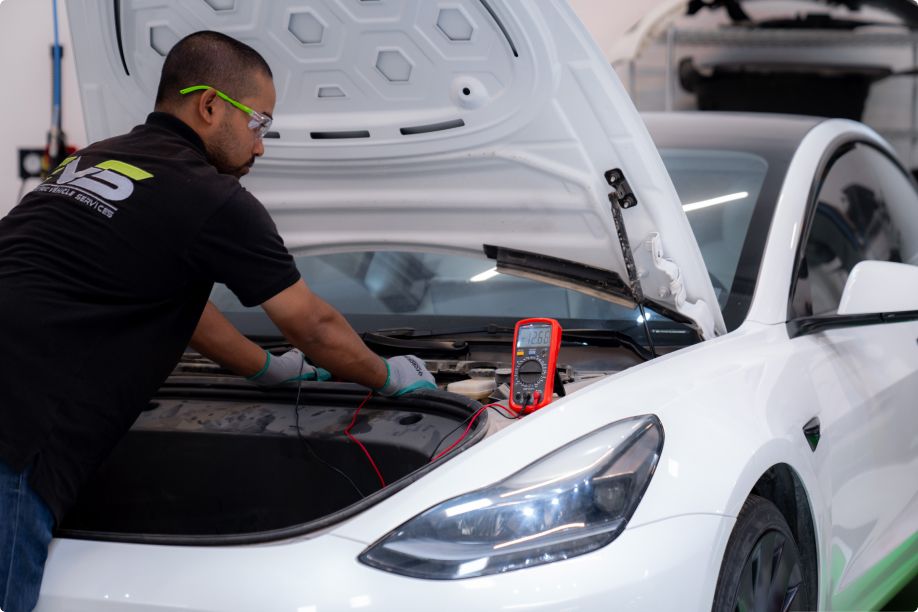
Founded in 2022 by Saudi entrepreneur Omar Al Woail, EVS is the Kingdom’s first fully dedicated EV service and maintenance network—created to solve a pressing need: reliable, specialized after-sales care for electric vehicles. With most legacy auto workshops lacking EV-trained technicians or battery diagnostic capabilities, EVS was built from the ground up to offer multi-brand electric vehicle servicing, including battery health checks, powertrain diagnostics, and specialized repair procedures. Its mission is simple but vital: to build trust and long-term value in the EV ownership experience across Saudi Arabia.
EVS operates a growing network of EV-certified workshops and mobile service units across major cities like Riyadh, Jeddah, and Dammam, and has already serviced hundreds of EVs from a wide range of brands—including Tesla, MG, BYD, and Geely.
The company is also investing in training Saudi technicians on high-voltage systems and battery technologies, helping to upskill the local workforce for a fast-approaching electric future. As EV adoption accelerates, startups like EVS will play a pivotal role in providing the infrastructure of confidence that underpins every thriving mobility ecosystem.
3. CATEC Mobility
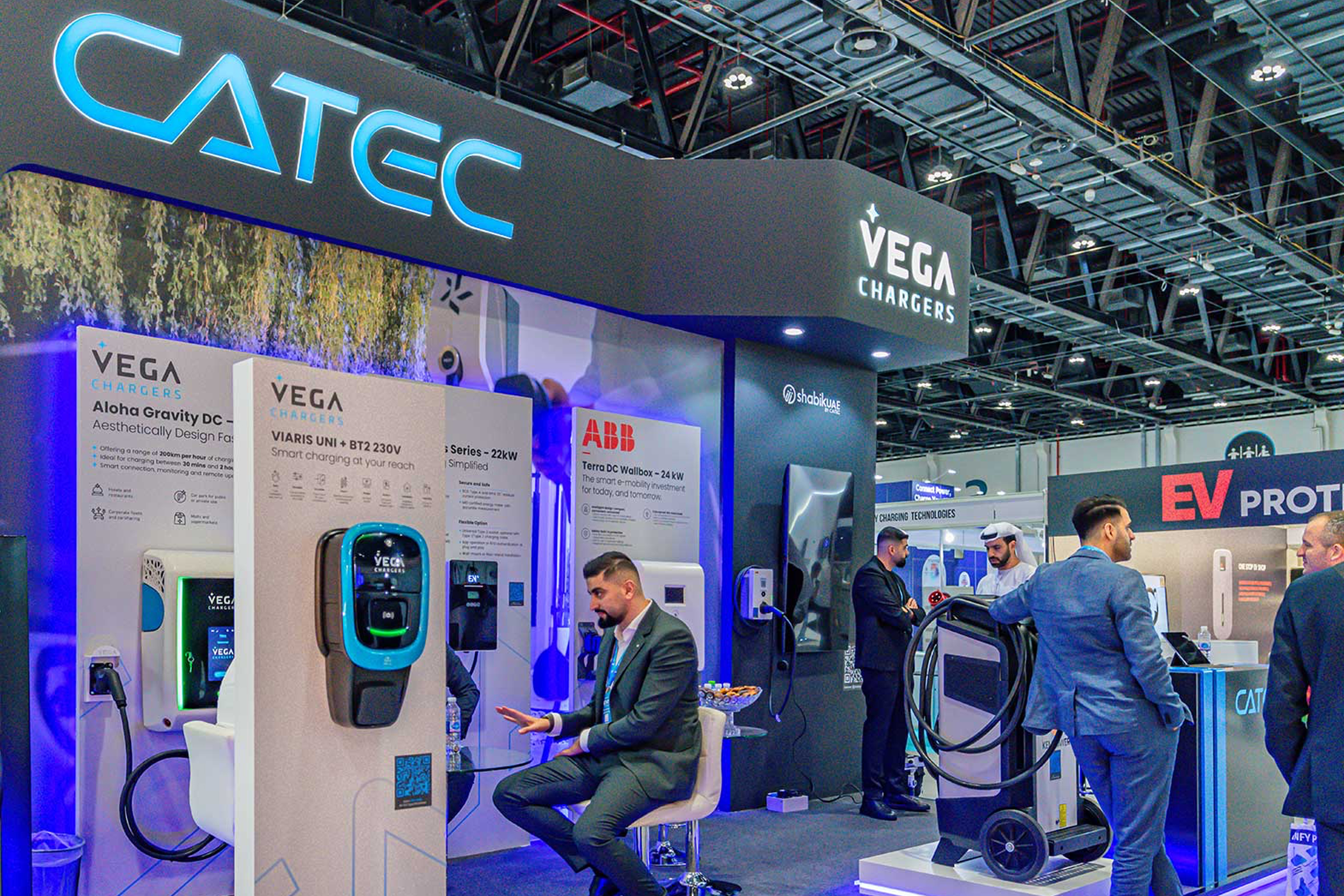
Launched in partnership with AWJ Energy during the EV Auto Show Riyadh in October 2023, CATEC Arabia brings global charging technology and premium service models into the Saudi market via the CATEC Mobility joint venture. Its mission is to deploy advanced AC/DC charging platforms and energy management solutions tailored for Saudi conditions, bridging international know-how and local adoption. CATEC Mobility stands out as a domestic-backed subsidiary of an international provider (CATEC S.L.), focused on scaling enterprise-level infrastructure deployment.
4. WeRide and the Rise of Autonomous EV Mobility
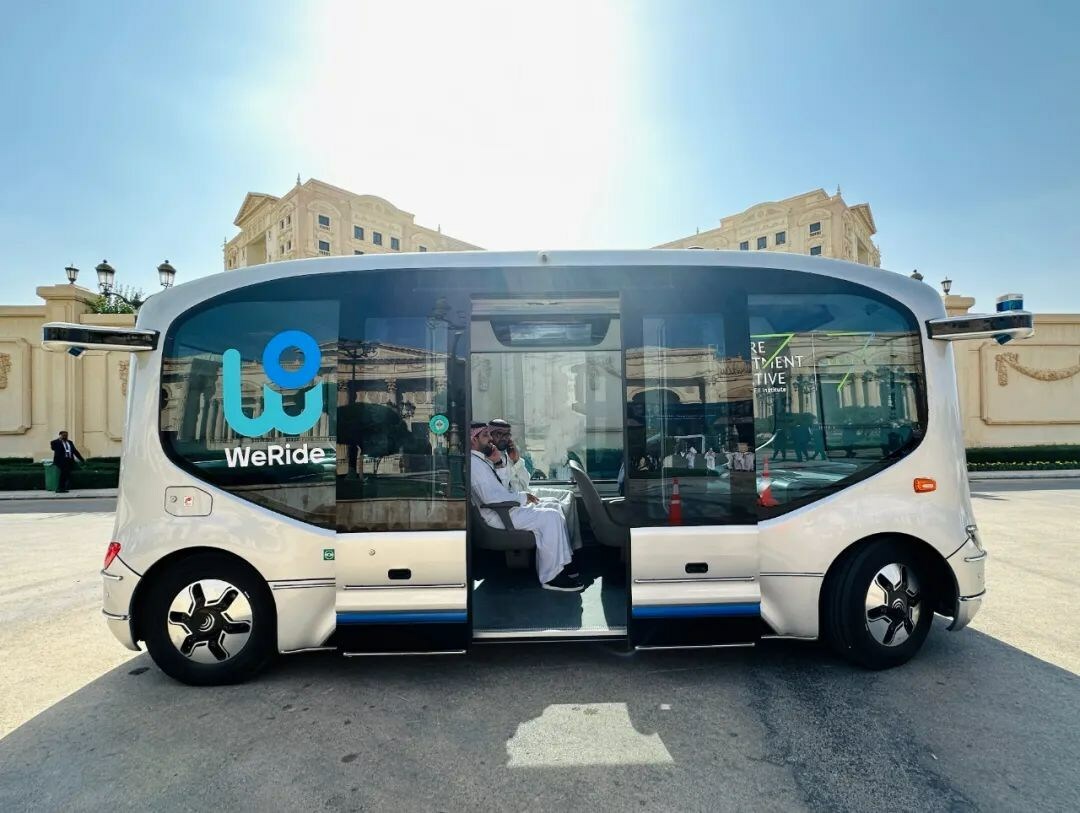
Saudi Arabia’s mobility innovation extends beyond charging and maintenance. In May 2025, Chinese autonomous driving leader WeRide launched robotaxi testing and pilot deployments in Riyadh and AlUla, in partnership with Uber and local regulators. While not Saudi-founded, WeRide’s entry represents the Kingdom’s push to integrate next-gen driverless transport within its urban landscape.
Building a Local Charging Ecosystem
Saudi Arabia is gearing up to deploy more than 5,000 fast chargers across 1,000 locations strewn about the Kingdom by 2030 via the efforts of the new EV Infrastructure Company, EVIQ. EVIQ is a joint venture between PIF and Saudi Electricity Company. Domestic startups like Current Power and Turning Point are key private-sector contractors in this rollout— ensuring local capacity rather than reliance on fully imported solutions.
Why Mobility Startups Matter for KSA
Startups like Current Power, Turning Point, and EVS represent more than new businesses—they are the backbone of a sustainable EV ecosystem. They reduce reliance on foreign OEMs, build technical skills locally, and ensure that end users have access to charging, service, and support—a necessary requirement for widespread EV acceptance in a car-centric society.
From the government’s perspective, a domestic mobility sector: multiplies local value creation as EV adoption scales; supports job creation in engineering, installation, and software; reduces economic leakage, and sets the stage for future export and regional leadership.
Broader Mobility Innovation
Saudi mobility apps like Mrsool (on-demand delivery) are already integrating EV logistics into their fleets—rental platforms in Riyadh have begun offering EV choices with realtime charging station availability via in-app integration and loyalty rewards for electric rides. While no EV-specific hospitality chains yet exist, NEOM’s tourism developments promote citywide electrification of transport, with potential for future EV-resort partnerships. It’s only a matter of time that successful mobility business models from other parts of the world can be applied in the Kingdom.
In mature EV markets, a wave of startups has transformed electric mobility from a niche product into a full-blown ecosystem. ChargePoint, founded in California in 2007, became one of the world’s largest EV charging networks—raising over $660 million in private capital before going public via SPAC in 2021 at a valuation of $2.4 billion. In the UK, Zap-Map has built a national platform used by over 70% of EV drivers to locate real-time charging availability across more than 95% of the country’s public chargers. In Finland, MaaS Global, creator of the Whim app, pioneered the Mobility-as-a-Service (MaaS) model by bundling public transport, EV rentals, and shared mobility into a single monthly subscription—raising over €60 million and expanding across Europe and Asia. Even hospitality has evolved: The Meydan Hotel in Dubai and several eco-resorts in Norway now offer ‘EVfirst’ packages including valet charging, solar parking bays, and Tesla shuttle services as part of their premium guest experience.
These successful business models demonstrate that as EV adoption scales in Saudi Arabia, startups can move far beyond hardware and infrastructure. New ventures could thrive by building aggregator apps for real-time charger visibility, offering fleet electrification-as-a-service, developing smart EV concierge platforms for hotels and malls, or launching mobility subscription bundles tailored to Saudi commuters. The future of mobility in the Kingdom isn’t just about owning an EV—it’s about designing the seamless lifestyle around it.
Enhancing the Public Charging Experience
As EV adoption rises globally, so too do expectations for what an EV charging stop should offer. No longer is a charger on the side of a parking lot enough—forward-thinking companies are turning charging downtime into a value-added experience, merging convenience, entertainment, and hospitality. From immersive diners to retail-integrated forecourts, the public charging station is evolving into a lifestyle hub. Here’s how other markets are transforming charging into an experience—and what Saudi Arabia can learn as it builds out its own nationwide network.
Tesla Diner, opened in July 2025 in Hollywood, Los Angeles, redefining the EV charging experience. It’s built around a Supercharger site with up to 80 fast-charging stalls, complemented by a retro‑futuristic restaurant, drive-in movie screens, and even robot servers. Built with strong brand appeal and immersive design, it’s positioning itself as both a dining and charging destination.
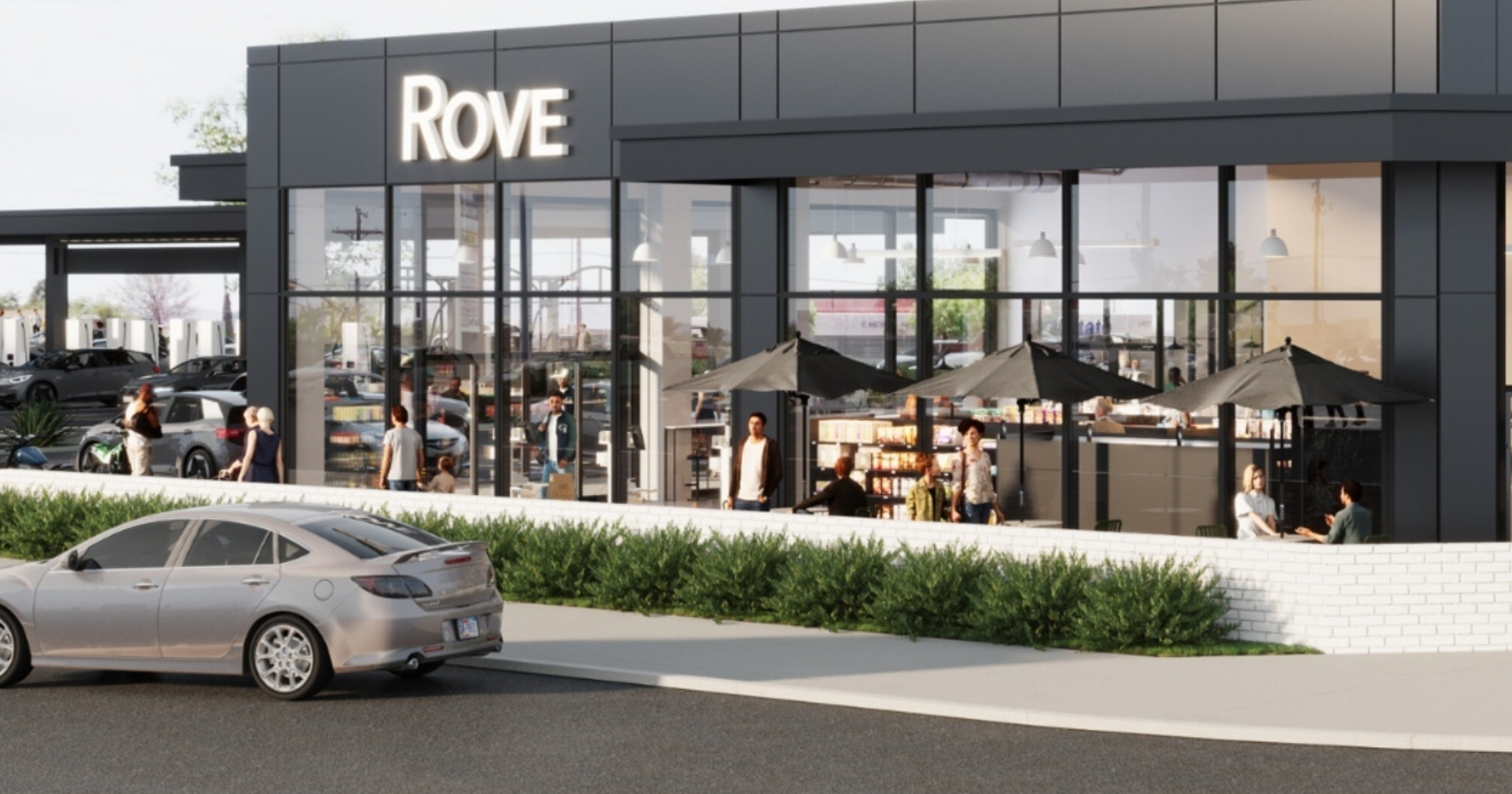
In Southern California, the Rove charging station in Santa Ana offers a mini-grocery store, WiFi lounge, indoor workspace, bathrooms, and 28 EV chargers (Tesla and non-Tesla). This concept merges high-speed charging with convenience retail, catering to battery-replenishment and personal needs in one stop.
In the UK, Gridserve’s Electric Forecourts® provide a blueprint for integrated EV-centric service hubs. Sites include ultra-fast charging (up to 62 miles of range in 3 minutes), convenience retail (Coffee, WHSmith, M&S Food), rentable work pods, offices, showers, and a family play area. One site in Norwich has already delivered over two million miles of charge within a year, proving both demand and viability. These examples show how food, retail, entertainment, and charging can combine to elevate user experience and create new revenue streams. In Saudi Arabia, as public fast-charging grows, similar concepts at highway rest stops or city bypasses could include local café brands, convenience retail, cultural souvenirs, WiFi lounges, EV loyalty perks, and family-friendly entertainment areas. They demonstrate that charging is no longer just about power—it’s about experience, retention, and lifestyle alignment. It’s only a matter of time until we see the Saudi versions of these companies sprout up across the Kingdom.

Looking Ahead: The Saudi EV Consumer Experience
As global brands like Ceer, Lucid, Tesla, BYD and other Chinese OEMs expand distribution in Saudi Arabia, they will rely heavily on local partners for charging and support infrastructure. Startups like Current Power, Turning Point, and EVS are already shaping the consumer experience—from test drives to daily charging and after-sales. Their growth trajectories mirror the broader EV adoption curve: when national policy, infrastructure investment, and consumer interest align, mobility startups become crucial accelerators—and potential unicorns—in a new economic landscape.

%2Fuploads%2Fev-2025%2Fcover27.jpg&w=3840&q=75)