
China's Growing EV Interest in Saudi Arabia
20 October 2025•
%2Fuploads%2Fev-2025%2Farticles%2Fchn-ksa-cover.jpg&w=3840&q=75)
China’s electric vehicle (EV) revolution has reached a new frontier — the Arabian Peninsula. As Saudi Arabia accelerates its transition toward electric mobility under Vision 2030, Chinese EV makers are increasingly becoming pivotal partners in the Kingdom’s electrification journey. From BYD’s growing footprint to strategic partnerships with Geely, Lotus, and Foxconn, China is exporting its EV playbook — refined and battle-tested at home — to power Saudi Arabia’s mobility ambitions.
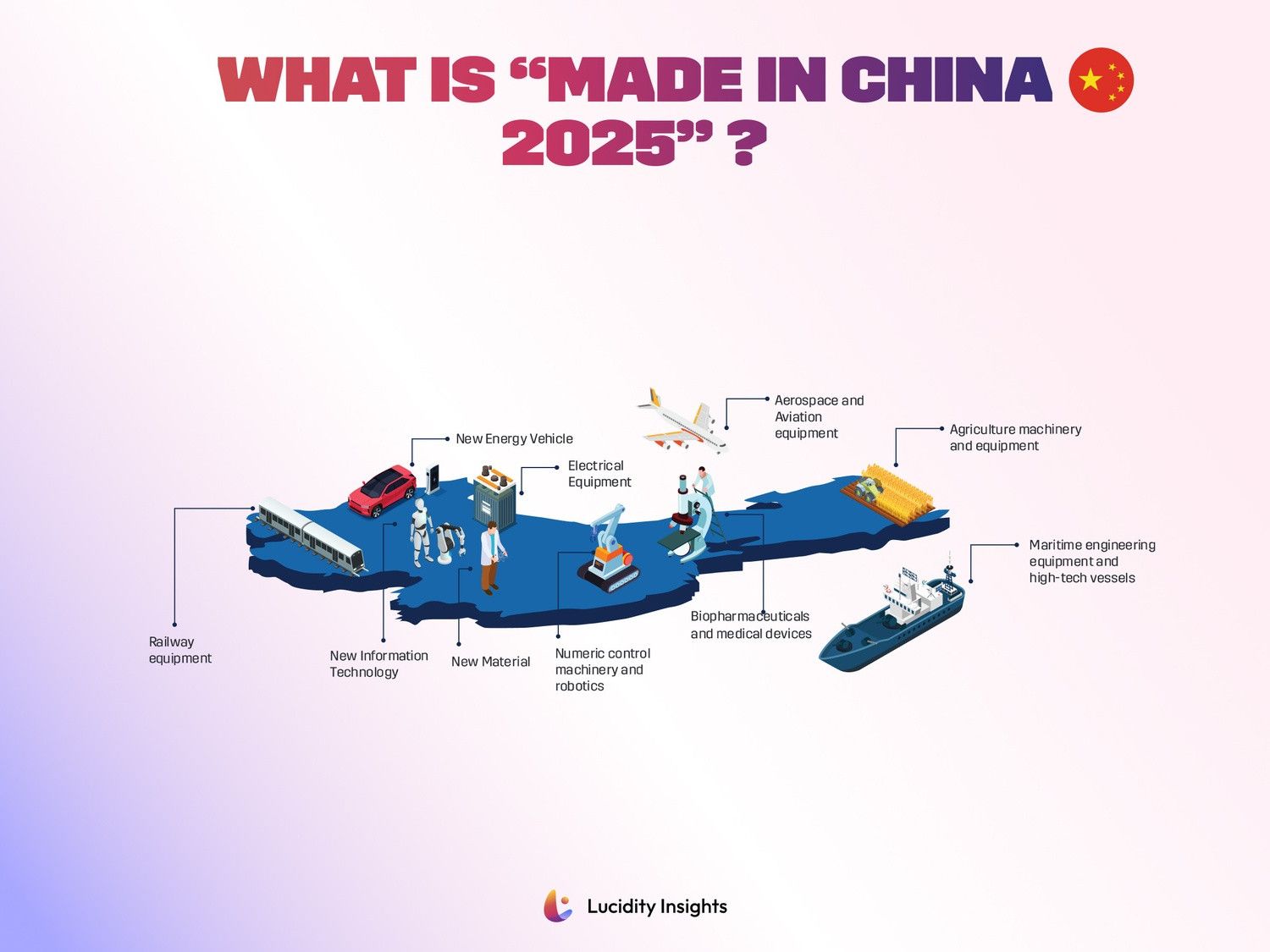
In just over a decade, China evolved from an auto industry underdog to the world’s undisputed EV leader. By 2023, over 60% of global EVs were manufactured in China, and Chinese automakers sold more than 9 million new energy vehicles (NEVs) domestically — more than the rest of the world combined. Backed by Beijing’s long-term industrial planning, such as the “Made in China 2025” initiative and the New Energy Vehicle Industry Development Plan (2021–2035), the country built a robust EV supply chain, from lithium mining to battery manufacturing to vehicle assembly.
“Made in China 2025” was a 10-year industrial policy launched by China in 2015 to tansform the country into a global manufacturing power. It aimed to upgrade China’s manufacturing capabilities, reduce reliance on foreign technology, and increase domestic innovation in key sectors. The plan focused on 10 strategic industries, including robotics, semiconductors, and new energy vehicles. Off the back of that, China’s New Energy Vehicle (NEV) plan aimed to establish the country as a global leader in the NEV industry by encouraging the adoption of electric and hybrid vehicles. This plan involved a combination of ensuring strong local manufacturing, consumer-focused subsidies, mandatory credit requirements, and investments in charging infrastructure. The ultimate goals of China’s NEV plan were to reduce oil dependence, improve air quality ,and reduce carbon emissions - while developing a new sector which would drive new job creation and economic growth. That same blueprint is now being adapted to meet global demand — with Saudi Arabia emerging as a key partner.
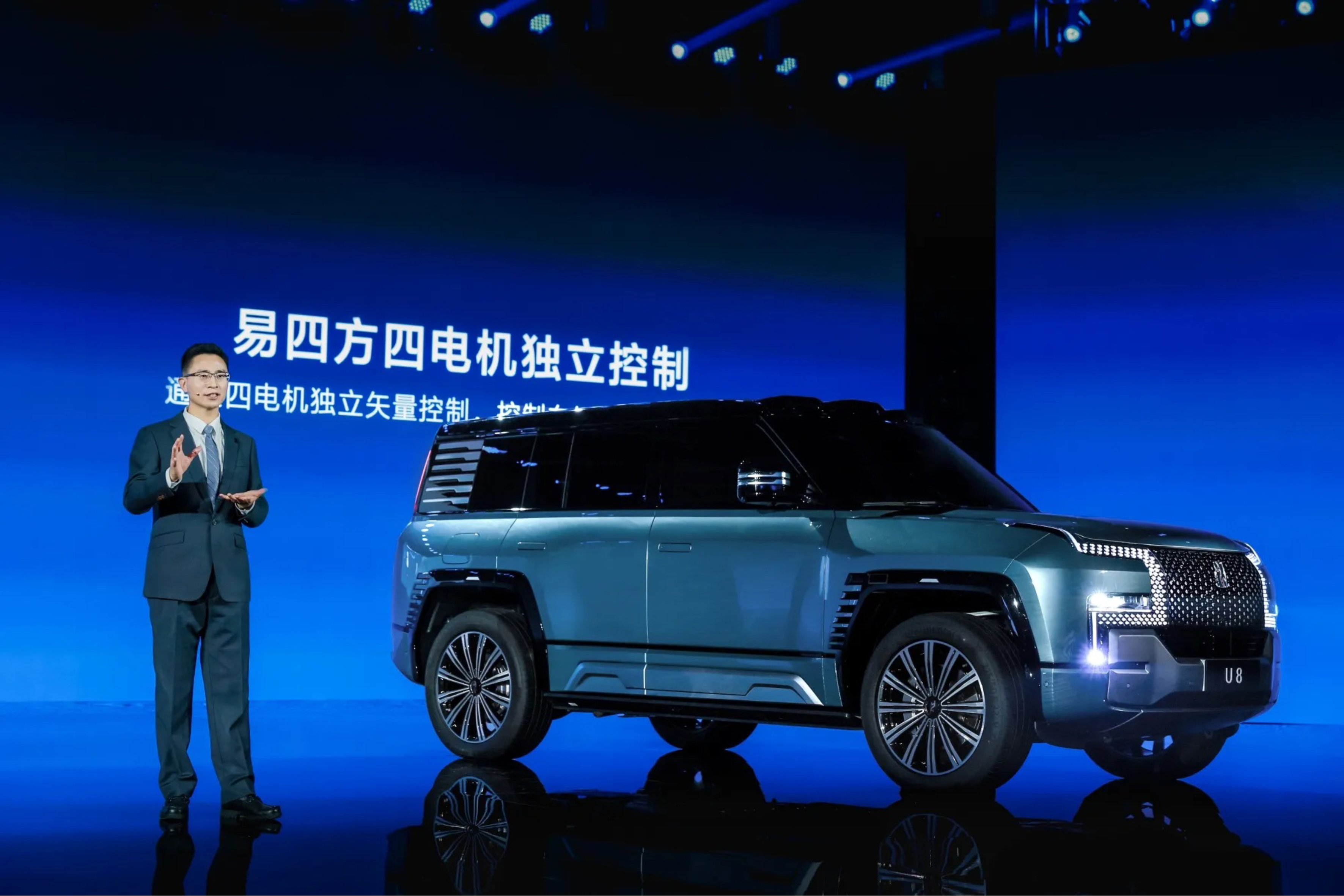
BYD, Geely, Lotus: Chinese EV Giants Make Their Move
Among the first movers in Saudi Arabia is BYD, the world’s top NEV seller as of 2023. The same year, BYD entered the Saudi market through a strategic distribution agreement with ALJ (Abdul Latif Jameel), one of the Kingdom’s largest automotive players. BYD’s arrival offers Saudi consumers a wider range of affordable and mid-tier EVs — aligning with the government’s goal to increase EV penetration beyond the luxury segment.
Geely, another Chinese automotive giant, has also been expanding its Saudi footprint. In 2023, Wallan Group partnered with Geely to introduce its latest electric models into the Kingdom, including the Geometry and Zeekr brands. Meanwhile, Lotus, owned by Geely, is positioning itself as a luxury EV alternative — with plans to bring high-performance models like the all-electric Lotus Eletre SUV to Saudi showrooms by 2025.
Building EVs, Not Just Selling Them
Beyond simply exporting vehicles, several Chinese firms are embedding themselves deep within Saudi Arabia’s emerging EV manufacturing and supply chain ecosystem. At the forefront is Foxconn, the Taiwanese electronics giant with strong ties to Chinese EV platforms. In partnership with Saudi Arabia’s Public Investment Fund (PIF), Foxconn cofounded “Model EV”, a joint venture that aims to design, manufacture, and sell electric vehicles built in the Kingdom. The venture not only marks a shift from vehicle importation to local production, but also sets the stage for technology transfer and supply chain development across the Gulf.
Foxconn is also a founding member of the MIH Open EV Alliance, which includes key Chinese EV players like Xpeng and NIO, whose scalable EV architectures may form the backbone of future Saudi-assembled vehicles. These partnerships could accelerate the deployment of localized EV platforms, battery management systems, and autonomous driving software within Saudi borders.
Meanwhile, BYD is reportedly in discussions about battery assembly and component localization in Saudi Arabia, potentially laying the foundation for regional gigafactory-style projects. Geely, through its global EV brand Zeekr, is actively scouting opportunities for assembly, software development, and parts sourcing partnerships in the Kingdom.
Additionally, companies like CATL — the world’s largest EV battery manufacturer — are increasingly involved in strategic dialogues with GCC governments, including Saudi Arabia, to explore battery cell production, recycling infrastructure, and training programs to build a local workforce for the EV future.
Together, these initiatives signal that China’s role in Saudi Arabia’s EV future goes far beyond car dealerships — it includes building the industrial backbone for a localized, sustainable, and globally competitive EV industry.
The EV Bridge Between Riyadh and Beijing
China’s growing EV presence in Saudi Arabia is not just commercial — it’s strategic. For Riyadh, partnering with China brings technical expertise, supply chain integration, and fast-paced deployment experience. For Beijing, Saudi Arabia offers a high-growth market with ambitions to become a clean energy hub — a perfect launchpad for global EV expansion.
The alignment is already evident in bilateral cooperation agreements signed during high-level visits. In 2022, during Chinese President Xi Jinping’s state visit to Riyadh, both nations pledged deeper collaboration on green energy, smart mobility, and industrial transformation — laying the groundwork for Chinese EV brands to thrive in the Gulf.
But the relationship runs even deeper. Saudi Arabia is China’s largest crude oil supplier, and China is Saudi Arabia’s biggest trading partner. This long-standing energy relationship has evolved into a broader economic partnership, where oil flows east, and industrial technology flows west. As Saudi Arabia seeks to diversify beyond hydrocarbons, China emerges as a critical partner not just in EVs, but in infrastructure, renewable energy, AI, and advanced manufacturing. The Kingdom, in turn, offers China energy security and regional influence in the Middle East. This energy-tech symbiosis makes the EV collaboration between Riyadh and Beijing not just logical — but inevitable.
China’s EV Champions Accelerate KSA’s Vision 2030
[]
Saudi Arabia has set out bold ambitions: they hope that 30% of new car sales in Riyadh will be electric by 2030, and the Kingdom aims to become a regional EV manufacturing and export powerhouse. While American and European brands have made headlines, it is Chinese players that are quietly laying the foundational bricks — from supply chain support to full-scale vehicle assembly.
As the Kingdom races toward a low-carbon future, the Chinese EV playbook — with its scale, speed, and vertical integration — may be the most potent tool in Saudi Arabia’s electrification arsenal. The road to Riyadh’s EV future may very well be paved with Chinese innovation.
%2Fuploads%2Fev-2025%2Fcover27.jpg&w=3840&q=75)