
Strategic Drivers for Mass EV Adoption and 10 Graphs that Explain the Global EV Race
12 October 2025•
%2Fuploads%2Fev-2025%2Farticles%2F10-graphs%2F10-cover.jpg&w=3840&q=75)
As the following handful of graphs and data will show, there are several drivers that have been leading to the EV adoption we are seeing now, around the world. Besides increasing gas prices, global consumers are also becoming increasingly aware of the climate change challenges facing the planet – with skyrocketing CO2 emissions impacting our environment. Gen X-ers (those born between 1965 and 1980) and Millennials (those born between 1981 and 1994) are putting money where their mouths are and are going green – equipped with the knowledge that driving gas-powered cars is amongst the worst carbon emitting activities individuals can take part in today.
Driver 1
Sky High & Volatile Gas Prices Pinch Global Consumers
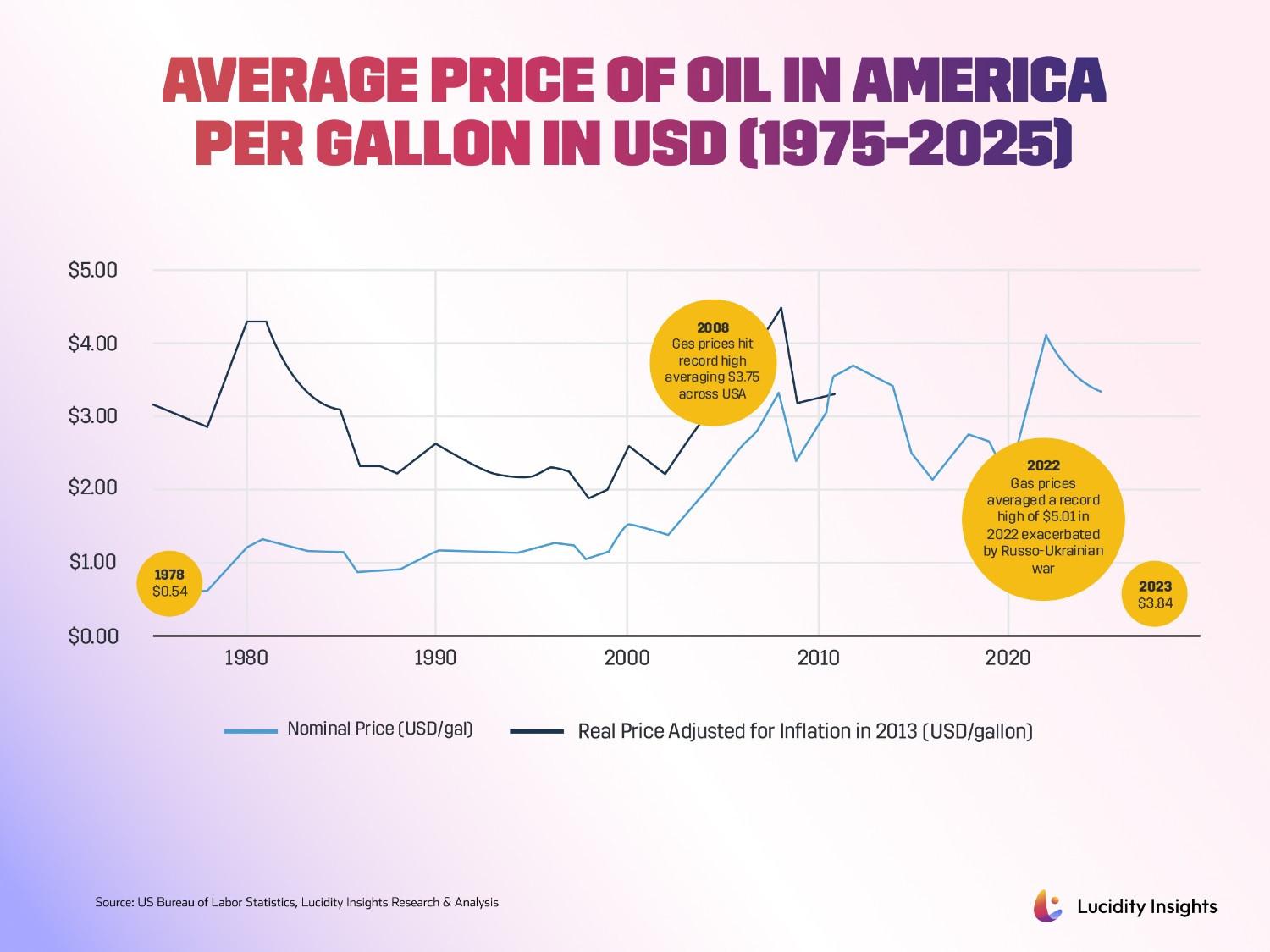
Since the 1979 oil crisis, where the price of a gallon of gas went over US $1.00 for the first time, the price of gas has never fully recovered. In more recent decades, oil prices have more than tripled to reach over US $3.50/gallon, hurting household finances and the economy at large. The ever increasing price of gas has been a key driver to look to the electrification of vehicles.
And the volatility of gas prices continues as global political instability continues. In March 2022, gas prices in the US exceeded the US $5.00 per gallon mark for the first time, exacerbated by Russia’s invasion of Ukraine.
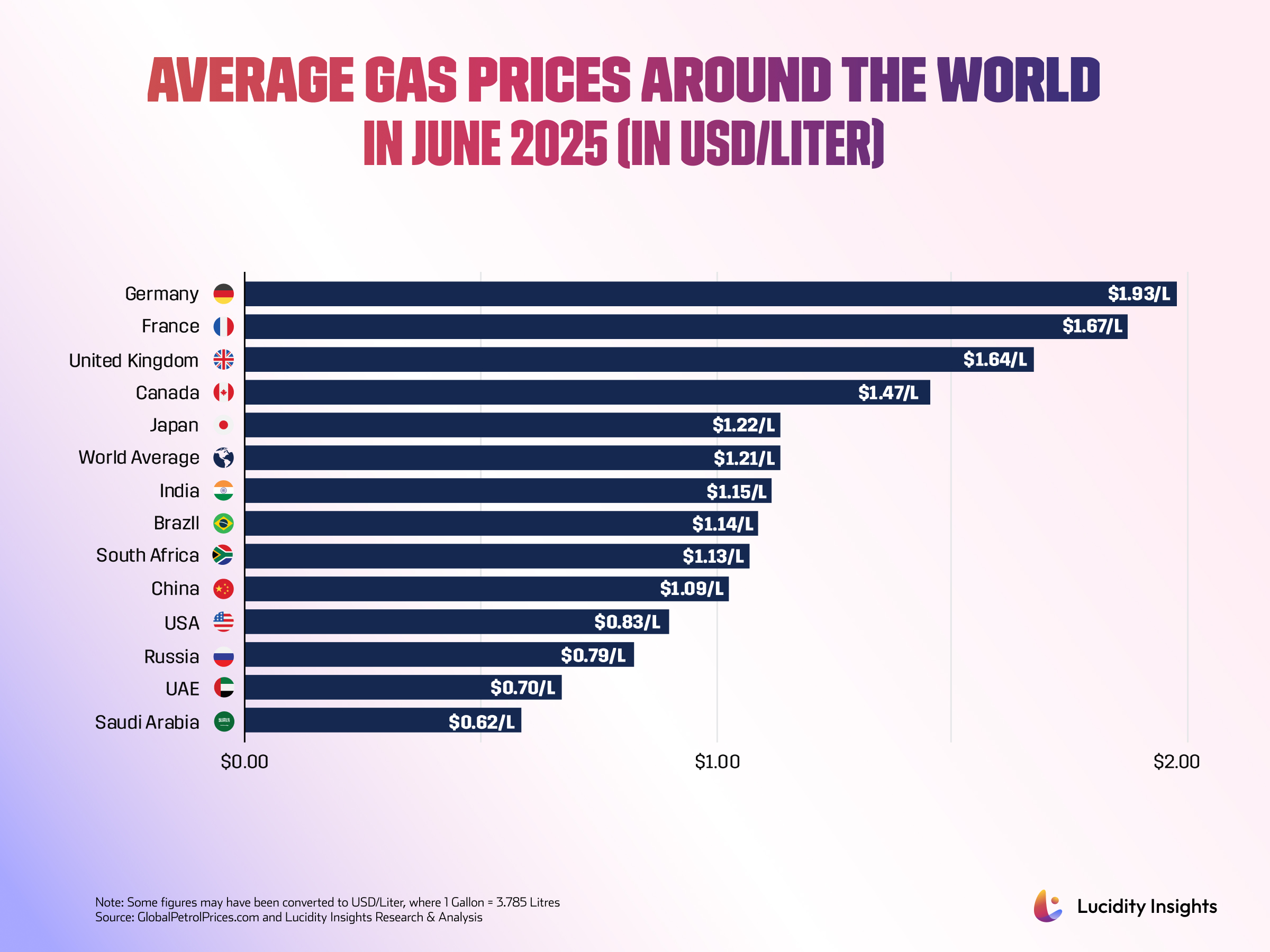
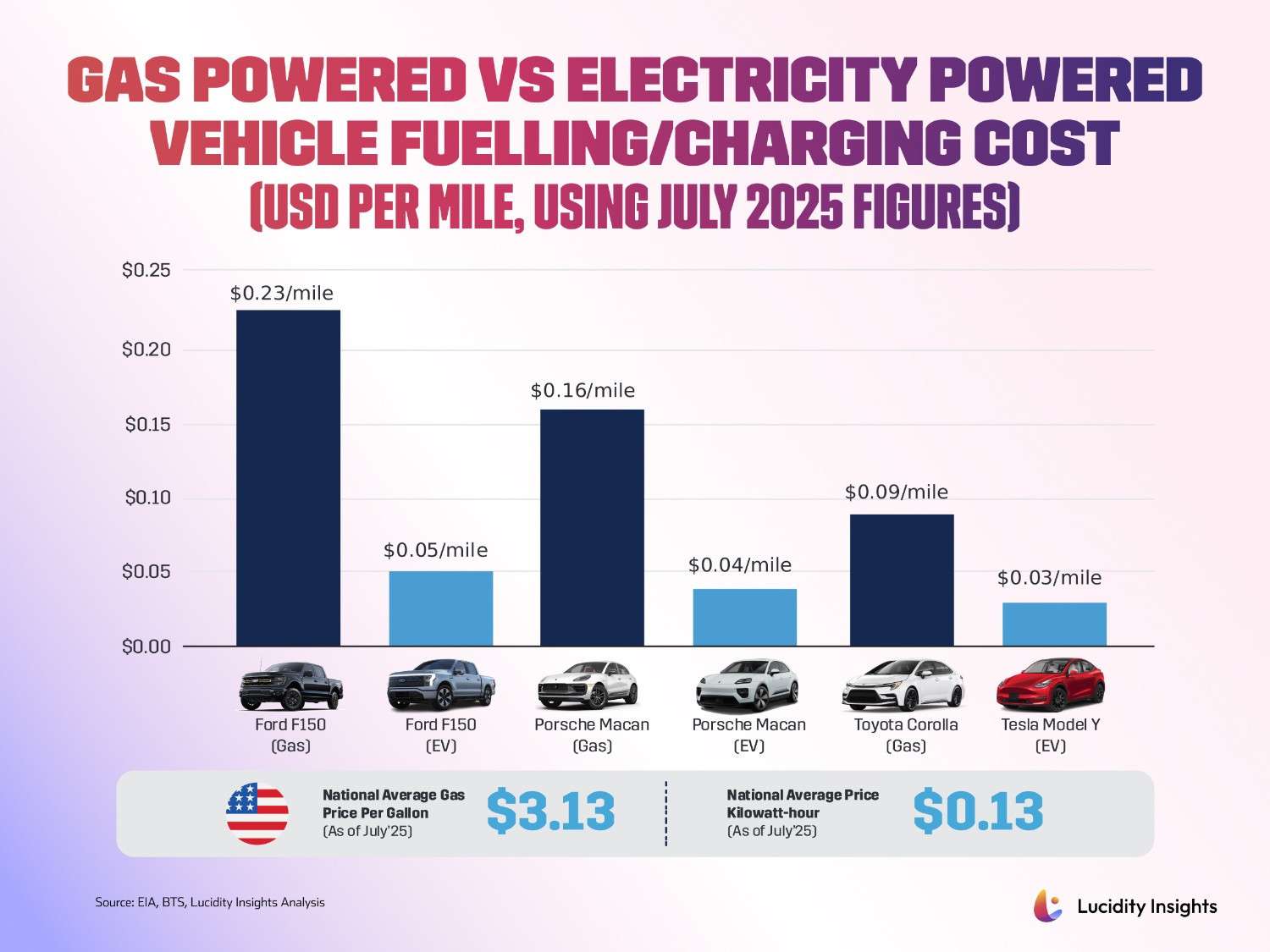
As a result, in the US, operating an electric vehicle today works out to be 2.5X to 6 times cheaper than operating a gas-powered car. Though this effect is less powerful in gas-rich economies in the Middle East with lower (and often) subsidized gas prices, it is expected that as the cost of electricity decreases, and electricity becomes ubiquitous and 100% reliable, as it has done in many modern countries including the Kingdom of Saudi Arabia and the UAE, EVs will become more common place.
Driver 2
Cost of Batteries Decreased, and so has the Cost of EVs
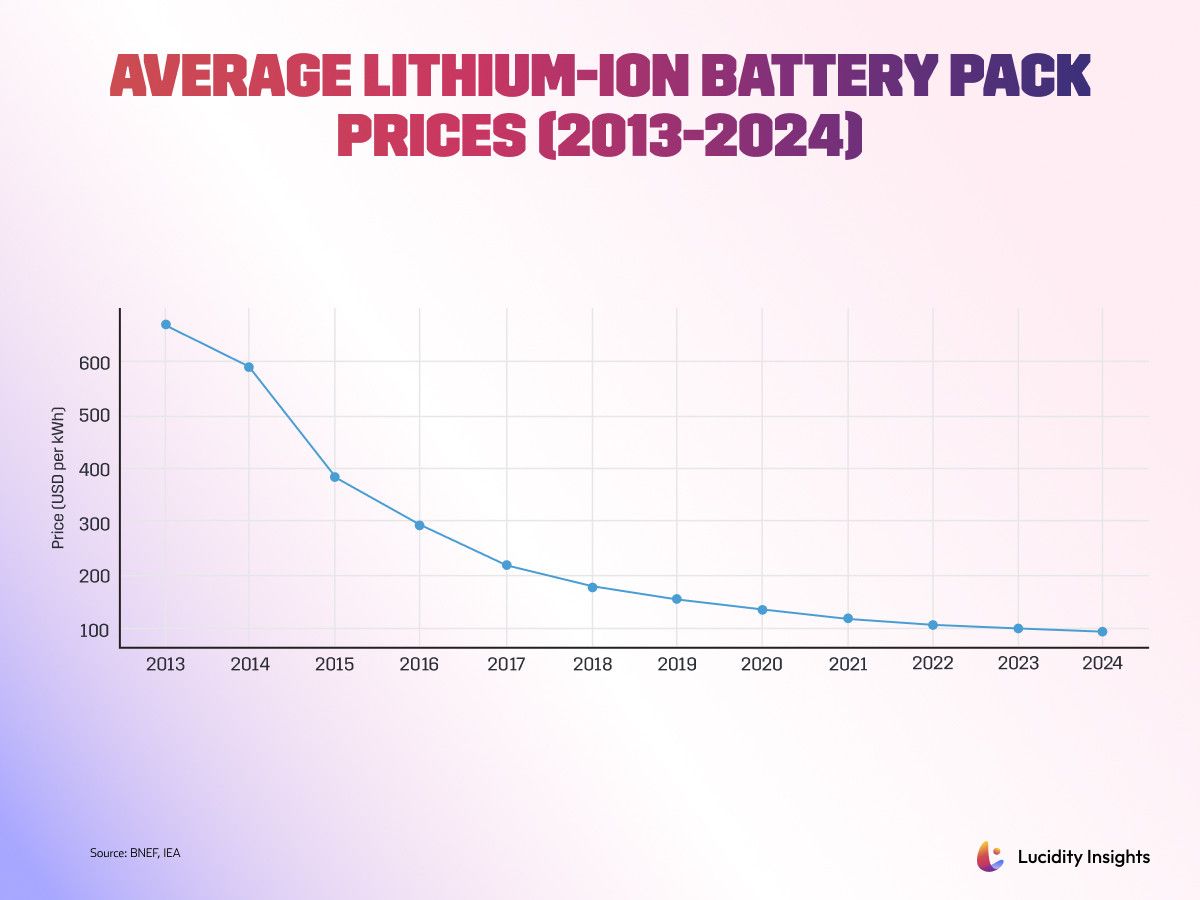
Over the past decade, the cost of lithium-ion battery packs — the most expensive component of an electric vehicle — has plummeted by over 83%, falling from $668/kWh in 2013 to just $115/kWh in 2024. The cheapest lithium-ion battery packs sold in 2024 sold in China for $94/kWh. This dramatic drop has been a game-changer for EV affordability, transforming them from luxury novelties into viable mass-market options. In 2010, the average electric vehicle cost well over $60,000, with early models like the Tesla Roadster and Nissan Leaf priced out of reach for most consumers. Today, however, entry-level EVs such as the BYD Dolphin or Chevy Bolt start at $25,000–$30,000, and even premium models are priced competitively with their gas-powered counterparts. The steep decline in battery prices has allowed automakers to produce EVs at scale, reduce sticker prices, and make electric mobility accessible to a much broader global audience. Simply put, cheaper batteries have supercharged the EV revolution.
Driver 3
“Range Anxiety” on Decline as EV Ranges Extend
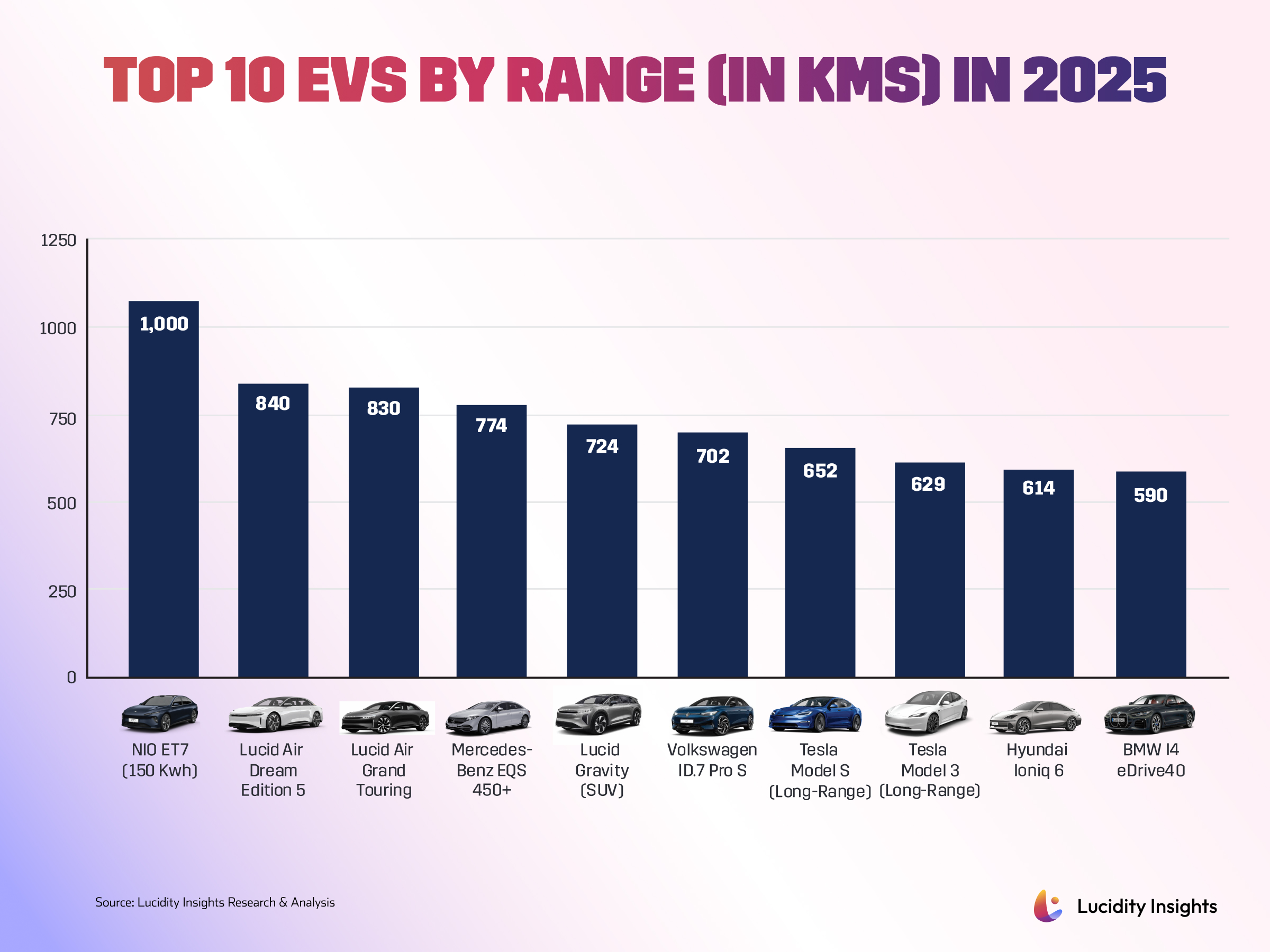
Electric Vehicle (EV) battery ranges have quadrupled on average since 2011. Today, the average EV can go for over 300 miles (482 kilometers) on one charge, reducing people’s fears of running out of power mid-trip. The longest range on offer by any EV on the market worldwide is NIO ET7, which boasts a range of up to 650 miles (>1,000 km)! This is remarkable, as most gas-powered vehicles don’t have singlefuel tank ranges at this distance.
The next longest range offered is Lucid Air’s Dream Edition 5, providing 840 kilometers of range, followed by Lucid Air’s Grand Touring at 830 kilometers. Mercedes EQS 450+ offers a luxurious sedan experience with 774 kilometers of range, while Volkswagen’s ID.7 Pro S offers just over 700 kilometers of travel without issue. Tesla’s models rank 7th and 8th in range, with the Model S (longrange) offering 652 kilometers of driving power on a single charge.
The standard warranty on an electric vehicle (EV) battery is typically 8 years or 100,000 miles (160,000 kilometers), but modern EV batteries are proving to be far more durable, with many lasting between 300,000 and 500,000 miles (483,000 to 805,000 kilometers) under normal driving conditions. We now have real-world and real-time data from Tesla, Nissan, and others showing us that many EV batteries maintain 70–90% capacity well beyond 300,000 miles.
Driver 4
Government Reforms & Net Zero Targets
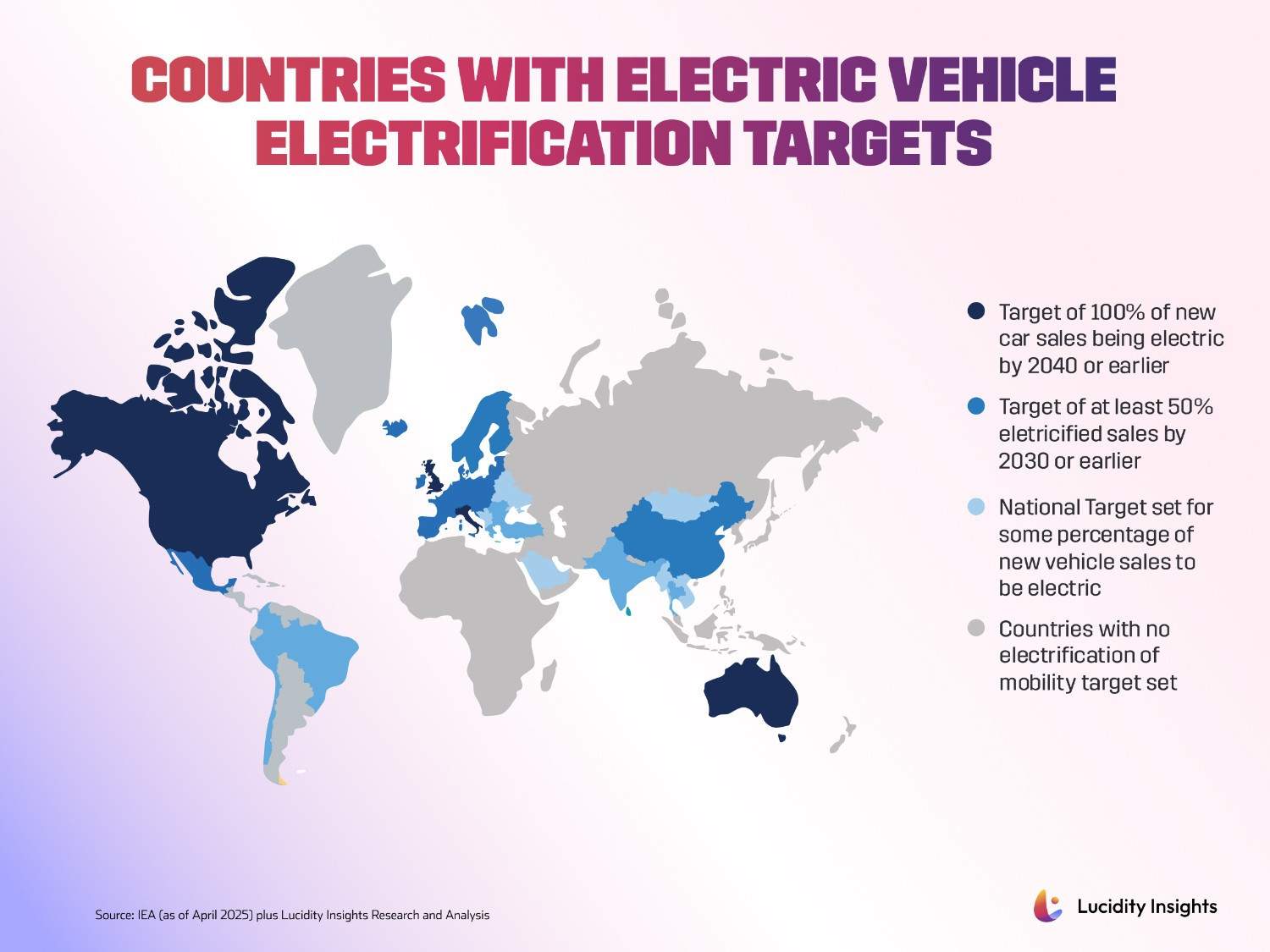
As of 2025, over 50 countries have now adopted formal electrification targets, with many accelerating their timelines in response to heightened climate urgency and policy pressure following COP28, which took place in Abu Dhabi at the end of 2024. The Global EV30@30 Campaign, once targeting 30% electrified vehicle sales by 2030, has seen dozens of countries now committing to 50% or more.
Japan has committed to achieving 100% electrified new light-duty vehicle (LDV) sales by 2035 (which include BEVs, PHEVs, HEVs, and fuel cell powered vehicles). ICCT data shows that at least 15 governments have committed to phasing out Internal Combustion Engine (ICE) vehicles by dates ranging from 2025 to 2040, including the UK, which has committed to 80% of all new car sales being zero-emissions vehicles (ZEV). California State, in the USA, has adopted regulations mandating that 100% of all new car and light truck sales be ZEV by 2035.
China, still the global leader in EV production and adoption, is on track to surpass its 2030 goal of having 50% of new vehicle sales be fully electric—a milestone it is now expected to reach by 2026, driven by strong government mandates and consumer incentives. In 2024, EVs already made up over 38% of all new car sales in China. With over 20 million electric passenger cars now on its roads, China’s pace and scale continue to set the benchmark for global electrification.
In the Middle East, the UAE government has made bold moves towards electrified mobility. The UAE government has set out to increase the share of EVs on its roads to 50% by 2050 under the Global EV Market initiative, launched in May 2023. Despite no official target set by the Saudi government, its capital city of Riyadh has stated its desires to reach 30% of all new car sales in the city be electric vehicles by 2030 in an effort to curb CO2 emissions.
Driver 5
Consumer Climate Change Awareness
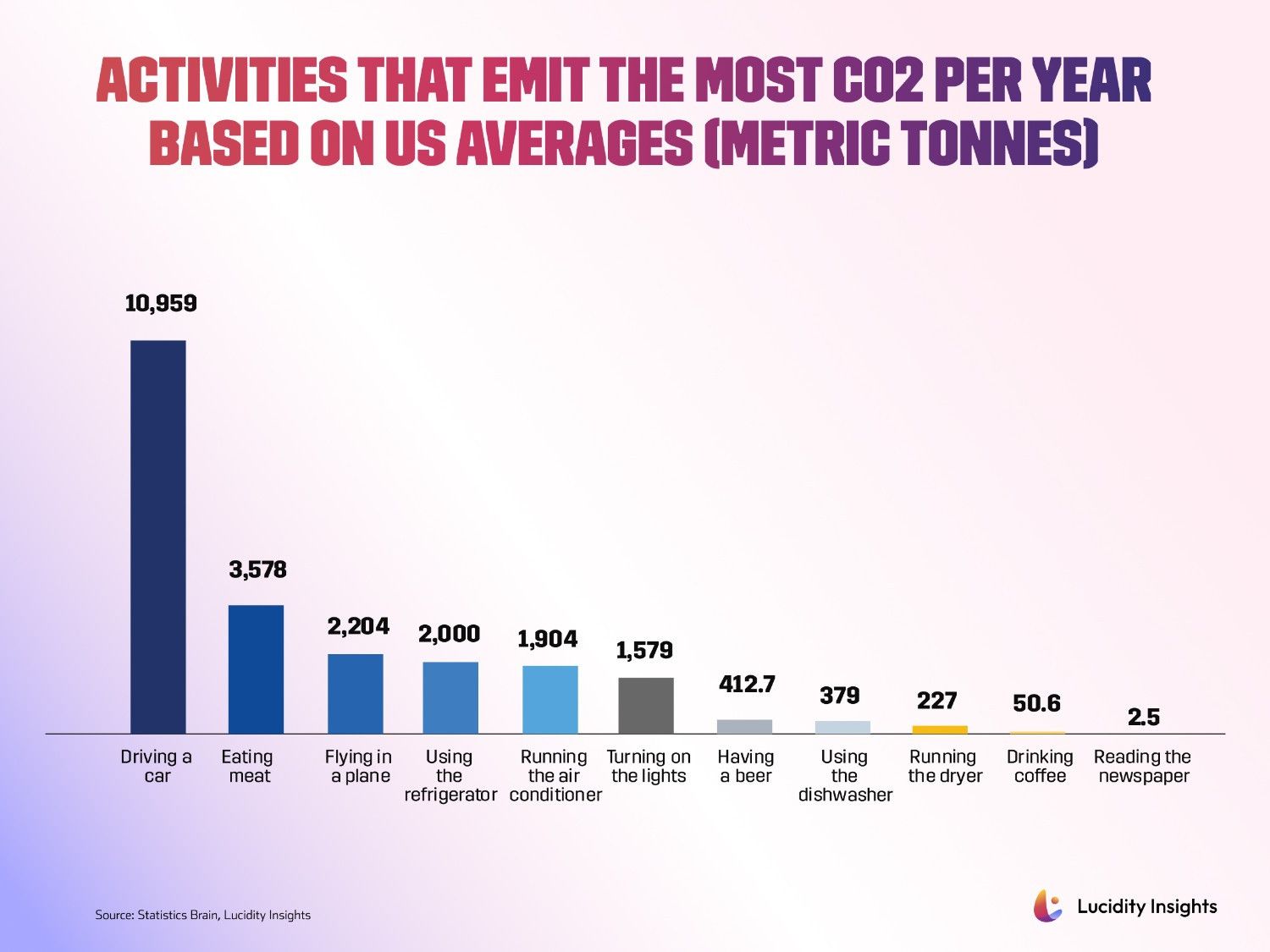
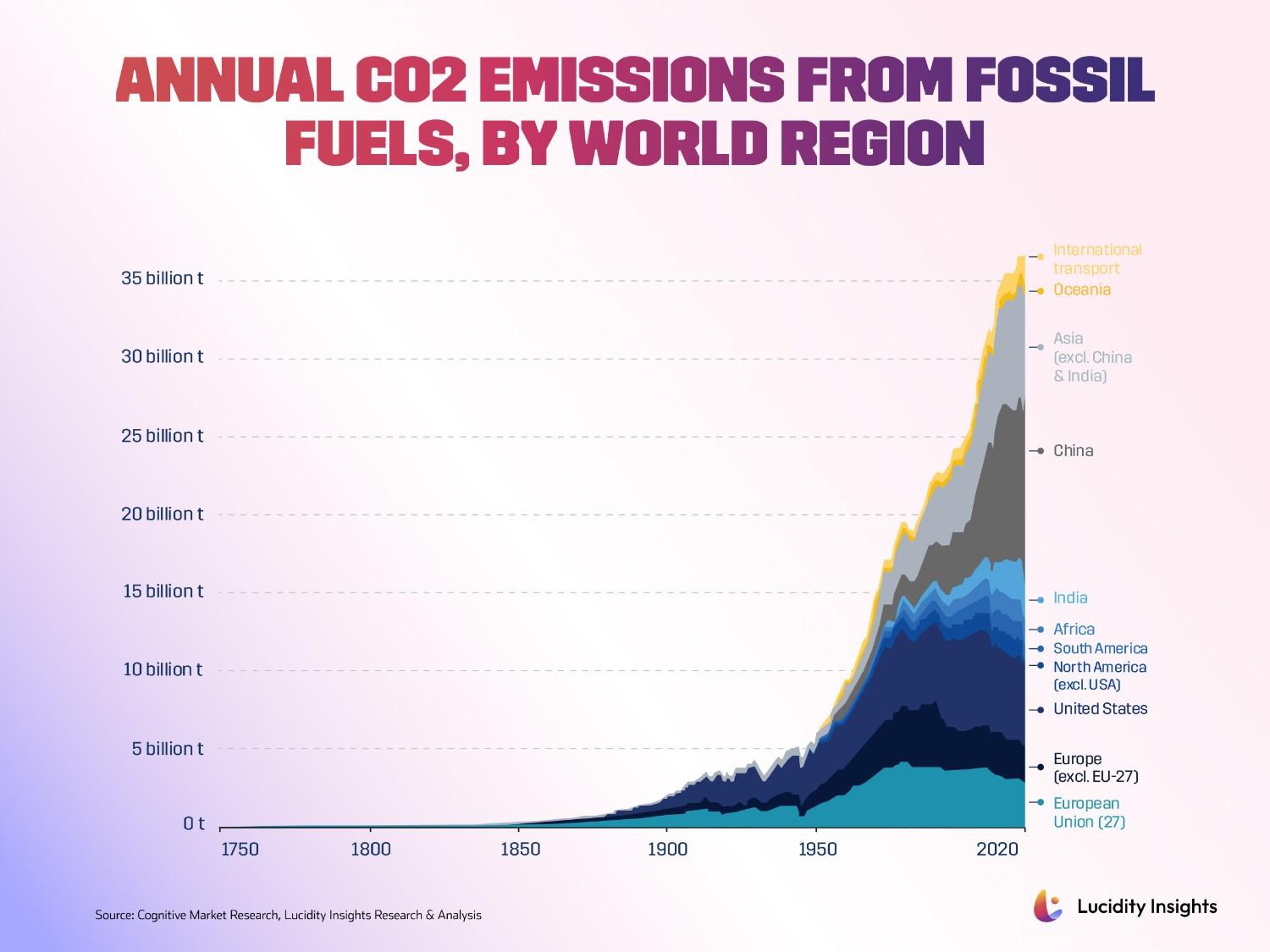
Across the globe, growing public awareness of the climate crisis is shifting consumer behavior—especially when it comes to transportation. With carbon emissions reaching record highs year after year, individuals are increasingly confronted with the reality that their personal choices matter. Among the most carbon-intensive daily activities are driving gasoline or diesel vehicles, which account for a significant portion of global transport emissions.
In fact, for many individuals, driving a gaspowered car is the single largest contributor to their carbon footprint, even more so than air travel or dietary choices like eating red meat. As extreme weather events intensify, wildfires spread, and scientific reports grow more urgent, climate consciousness is rising across demographics, especially among Gen Z and Millennial consumers. These generations are not only more likely to express concern about climate change—they’re more likely to act on it. This shift in mindset is propelling many to choose electric vehicles (EVs) as a tangible way to reduce their environmental impact. EVs emit zero tailpipe emissions, and when charged using renewable energy, their lifecycle emissions are dramatically lower than internal combustion engine (ICE) vehicles.
This environmental awareness is also intersecting with social status and identity. In many urban centers around the world—from Amsterdam to Seoul to San Francisco—driving an EV is seen as a visible expression of ecoconscious values. Governments and automakers alike are leaning into this momentum, amplifying sustainability messaging in their campaigns and offering tools for consumers to calculate the carbon savings of switching to electric.
In short, the climate emergency is no longer an abstract concept—it’s a personal call to action. And for millions of consumers globally, switching to an EV is one of the most immediate and empowering steps they can take to align their lifestyle with their values.
Driver 6
Rapid Expansion of Charging Infrastructure
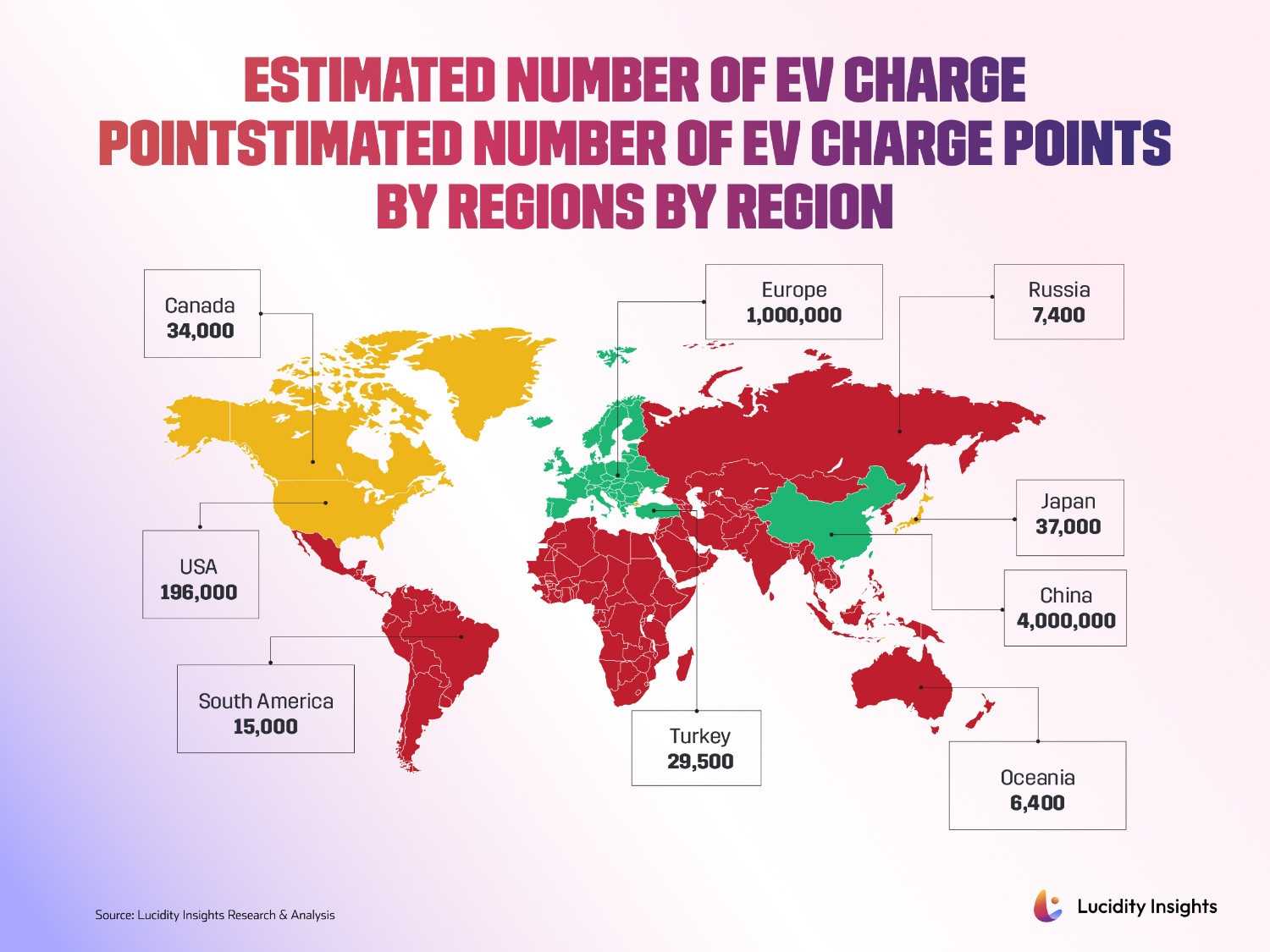
The global buildout of EV charging networks — both public and private — is reaching a tipping point. Where once a lack of chargers hindered adoption, today we’re seeing exponential growth in fast-charging corridors, urban charging hubs, home charging solutions, and even wireless or battery-swap tech. Governments and private players are investing heavily: from the U.S. NEVI program to China’s urban and rural rollout, to the UAE and Saudi Arabia’s national charging plans.
Paired with new technology (e.g. ultra-fast 350kW chargers, bidirectional charging, and AI-optimized route mapping), the charging experience is becoming faster, smarter, and more convenient. This not only reduces “charging anxiety” but also unlocks entirely new business models — such as fleet electrification, smart energy storage, and peer-to-peer charging. In short, EVs are no longer constrained by a lack of infrastructure — they’re being accelerated by it.
%2Fuploads%2Fev-2025%2Fcover27.jpg&w=3840&q=75)